Native American Cancer Initiatives, Inc. (NACI)
A for-profit company founded in 1998 (based in Park County, Colorado)
Our MissionThe Full Continuum of Cancer Care
From outreach through end-of-life care
Native American Cancer Initiatives (NACI), Inc., is a small, minority (American Indian), woman-owned business with fewer than three full-time-equivalency employees and nine part-time employees. It is a for-profit company founded in 1998 (based in Park County, a rural area in Colorado) to provide technical assistance to communities, patients, researchers, academicians, universities, research institutions, and professionals on Native Americans, cultural issues, program development and assessment and the full continuum of cancer (outreach through end-of-life care). NACI has a fee-for-service structure that provides specific services through contracts with various entities, including NCI-designated comprehensive cancer centers such as in Colorado, Arizona, New Mexico, and Texas. It has contracts with Indigenous organizations such as Mayo Clinic's Native American Programs, National Indian Health Board, Intertribal Council of Michigan, Great Plains Tribal Chairmen's Health Board, Walking Forward, and Northwest Portland Area Indian Health Board and with national organizations such as the American Cancer Society and Susan G. Komen for the Cure®. It averages 5 contracts per year. NACI has been the recipient of five NIH Small Business Innovative Research (SBIR) research grants.
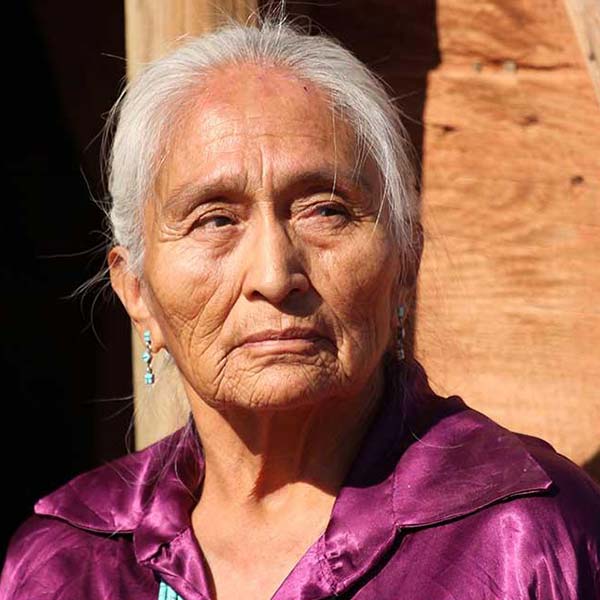
NACI Provides Services Such As:
- Public speaking
- Educational workshops
- Staff trainings and retreats
- Technical assistance
- Mentoring
- Program evaluation
- Website Design and programming
Native American Cancer Research Corp (NACR)
An American Indian non-profit, charitable, 501(c)(3), community based organization that develops and evaluates programs and interventions designed to prevent and/or control cancer. READ MORE HERE
Patient Video Vignettes
Smoking Cessation
Physical Exercise Program
Survivors Physical Activity

NIH Grant Writing and "Genetic Education for Native Americans":
NACI conducts a 15-hour NIH grant writing curricula in partnership with the Northwest Portland Area Indian Health Board and the Northwest NARCH each summer as well as specific NIH grant topics with other Native organizations. It offers excerpts of the "Genetic Education for Native Americans" (GENA®) Curricula (created 1998 and updated annually) for programs throughout the US (average two 2.5 days of GENA® topics tailored to the local organization requesting the training).
Contact Us Now
Where We're Located:
NACI is based in Pine, CO and has 1000 square feet of dedicated office space. The Pine Office includes a small conference room, three offices, has wireless access to the Internet, conference screens, audience response systems and speaker systems. It also has state-of-the-art photocopying and scanning machines and two digital video cameras, filming lamps, microphones and related e-cables. NACI shares selected office equipment (photocopying) with Native American Cancer Research Corporation (NACR), a non-profit corporation.
See Location on Map